
11 dec 2025
Cleaning with ozone water: floors & large surfaces
Learn how to clean floors and other large closed surfaces safely and efficiently with ozone water: from buckets and scrubber dryers to routes and routines.
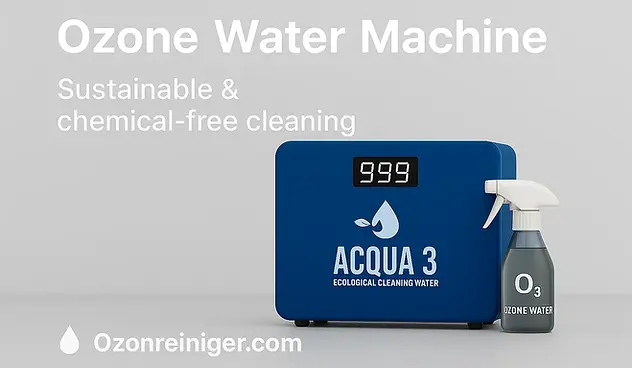
Discover how to use ozone water for floor cleaning in your organisation: fixed filling points, clear routes, defined limits and a calm, repeatable daily workflow.
Cleaning floors with ozone water in practice
Cleaning floors with ozone water in practice
Floors and other large closed surfaces account for a big part of the daily cleaning workload. That is exactly where cleaning with ozone water can bring calm, predictable costs and less plastic. With an ozone water machine you produce cleaning water on site from ordinary tap water. The result is ozone water, water in which ozone is temporarily dissolved. You only use it for daily surface cleaning of closed surfaces such as floors, tiles and thresholds – never for drinking or medical purposes.
Part of a wider guide series
This floor guide is part of a broader series on smart, cost-efficient cleaning with ozone water. The guide on affordable cleaning solution with ozone water explains how the base product works and what it costs per litre. The guide on cleaning on a budget with ozone water focuses on organisation and stock. The guide why clean with ozone water looks at the underlying reasons. The main guide cleaning with ozone water and the practical how-to cleaning with ozone water: practical everyday guide bring everything together; this article focuses specifically on floors and large surfaces.
Step 1: Decide which floors are suitable
Ozone water is designed for closed, wipeable surfaces. That means the floor needs a sealed top layer and must be compatible with wet cleaning.
- Suitable: many coated poured floors, PVC floors, tiled floors and sealed concrete.
- Use with care: untreated wood, porous stone, heavily absorbing joints or damaged coatings.
- Always follow the manufacturer’s care instructions and test a small, inconspicuous area first.
For technical background, see what is ozone water? and the product page of the ozone water machine.
Step 2: Organise filling points
Calm floor routines start with clear filling points. These are the locations where staff fill buckets, canisters or scrubber dryers with ozone water.
- Install the ozone water machine in a fixed, accessible location.
- Make it clear which taps and hoses are used for ozone water.
- Ensure that buckets and scrubber dryers can easily be filled at the same locations.
Whenever possible, use reusable buckets and machines instead of single-use containers. This ties in with the insights from why ozone water reduces plastic waste.
Step 3: Mopping floors with ozone water
For small or medium-sized surfaces, you can mop floors with ozone water in buckets. The basic process is similar to traditional mopping, but with one base product and clear boundaries.
- Fill a bucket with fresh ozone water at the filling point.
- Use a clean mop or flat mop, preferably microfibre.
- Work in sections and replace the water when it becomes visibly soiled.
Combine this with your existing routes. The practical guide cleaning with ozone water: practical everyday guide explains more about linking ozone water to daily rounds.
Step 4: Scrubber dryers and ozone water
In large buildings or busy environments, scrubber dryers are often standard. Ozone water can be used as the base product in the clean water tank.
- Fill the clean water tank with ozone water at a fixed filling point.
- Select brushes and pads that match the floor type according to the machine instructions.
- Define which zones are cleaned with ozone water and where a special product is still needed.
This allows you to combine the benefits outlined in why choose ozone water instead of traditional chemical detergents with efficient floor cleaning on a large scale.
Step 5: Edges, corners and details
Floor cleaning also involves edges, corners and transitions. Decide how you will handle these with ozone water in each building.
- Use a flat mop or cloth for areas the machine cannot reach.
- Mark risk areas such as thresholds and stairs clearly.
- For heavily soiled areas, decide whether a specialised product is still required.
Safe use and clear boundaries
Ozone water is not a disinfectant and not a health product. It is a tool for everyday surface cleaning. With floors, it is important to make boundaries explicit so staff know exactly what is intended.
- Use ozone water only on closed, wipeable floors and surfaces.
- Do not use it on highly porous, damaged or water-sensitive floors.
- Address slip risks: work with well-wrung mops and clear warning signs where needed.
Link to costs and budget cleaning
Because floors represent large areas and volumes, cost differences show up quickly. With a central ozone water machine, the cost per litre of cleaning water is low and predictable. Combined with the guide on affordable cleaning solution with ozone water and cleaning on a budget with ozone water, you can calculate realistic costs per site.
- Low cost per litre for floor cleaning.
- Fewer different products on the trolley and in storage.
- Better comparability of costs between buildings or routes.
Training for floor routes
Targeted training helps staff adopt ozone water floor routines quickly.
- Explain which floor types are cleaned with ozone water and which are not.
- Walk one or two full routes together, including filling moments.
- Revisit the basics from the practical guide cleaning with ozone water: practical everyday guide in team meetings.
Cost and affordability
Because floors require many litres of water, the financial impact of a low litre price is significant. With a central ozone water machine your litre cost is both low and predictable. This guide helps you turn that into daily practice through simpler product ranges and clearer routes.
- Low litre prices combined with a calmer product range.
- Fewer rush orders and less storage complexity.
- Clearer insight into usage per building or team.
Customer stories & testimonials
- “By switching our floor routes to ozone water, materials and instructions have become much simpler.” – Facilities manager
- “Staff now know exactly which floors we treat with ozone water and which we don’t, which reduces questions.” – Cleaning team lead
- “We see fewer different products on our order lists and can compare floor cleaning costs across sites.” – Purchasing
💬 Would you like support in designing an ozone water floor cleaning routine for your organisation? Browse the products or contact us for tailored advice.
Further reading
Cleaning with ozone water (guide)
Cleaning with ozone water: practical everyday guide
Cleaning with ozone water: sanitary areas
Cleaning with ozone water: offices and desks
What is ozone water?
All guides