
25 jan 2026
Workflow: Ozone Water vs Osmosis Water for Stable Cleaning Routines
How to structure professional surface cleaning workflows using ozone water and osmosis water for predictable results.
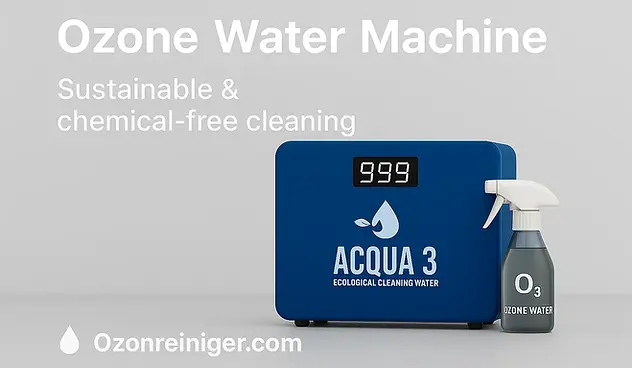
Workflow guide comparing ozone water and osmosis water: routines, cloth strategy, order of steps and stable surface cleaning outcomes.
Workflow matters more than water type
Why workflow determines cleaning results
In professional surface cleaning, stable results come from clear routines. Ozone water fits naturally into repeatable cleaning rounds because it is generated on demand and applied directly. Osmosis water often serves as a finishing step when visual clarity is the main goal.
Standardizing step sequences
Fixed cleaning order reduces variation between team members and shifts.
Cloth strategy for clarity
Two-cloth routines support streak-free glass and stainless steel.
Maintaining stability at high frequency
High-frequency routines benefit most from ozone water due to low handling.