
7. Feb. 2026
Ozone water in a washing machine: programs and settings
This guide focuses on one practical question: how do you translate the idea of using ozone water into concrete washing-machine programs and settings without pretending that one button changes everything. We stay claim-safe: no statements about disinfection, hygiene outcomes, textile performance or medical effects. Instead, we describe workflow: understanding what your machine actually does across phases, and how to build a routine that remains repeatable. The core is program mapping. You identify when the machine takes fresh water, how long the main wash runs, how many rinse steps happen, and which variables you can control (temperature, duration, extra rinses, load size, eco mode). Only then do you link an ozone-water supply (if you use one) to a specific fill phase so decisions are based on control points, not guesswork. A common mistake is to look only at “30°C”. In reality the full program matters: time, water exchanges, mechanical action and optional settings. Quick cycles can fill differently than cotton cycles; an extra rinse changes timing and consumption; and eco programs often run longer with different heating logic. The reliable approach is simple: pick one baseline program, change one variable at a time, and write down what you did. You will get a compact logging method: (1) which program (name + icon), (2) which options on/off, (3) the approximate phases (fill → tumble → rinse → spin), (4) notable deviations (extra fill, longer soak, error code), and (5) the maintenance point that belongs to it (filter check, drum care run, hose inspection). That prevents “drift” when multiple people use the machine. We also cover boundaries: some machines have limits around inlet pressure, water supply, and external connections. Always follow manufacturer guidance, keep maintenance accessible, and avoid improvised fixed installations. This page is part of the “Ozone water in the washing machine” series. If you want the start page first, go back to the hub and then continue to low-temperature cycles, maintenance/self-clean routines, costs and workflow implementation.
A process guide to washing-machine programs and settings when using ozone water: phase mapping, controlled changes, and maintenance-focused routines.
Programs and settings: making an ozone-water laundry workflow repeatable
Programs and settings: start with the phases
This page is about process, not promises. You map when your machine takes fresh water, how long the main wash runs, how many rinse steps occur and which options you enable. Only then do you connect ozone water (as part of your workflow) to a defined fill phase so the routine stays repeatable.
For fundamentals, read What is ozone water? and use the Two-cloth method as a reference for process-first work.
Step 1: choose one baseline program
Pick a program you run often (for example cotton or eco). Use it as a one-week baseline before you add extra options. Log: program name/icon, temperature, total duration and whether any options are enabled.
Step 2: map where the machine takes fresh water
Create a simple map: fill → tumble → rinse → spin. Watch for refills (often around rinses). Quick cycles can fill differently than cotton cycles, and an extra rinse immediately changes timing and consumption.
Step 3: change only one variable at a time
Keep changes controlled. Do not adjust temperature, load size, detergent use and program selection all at once. Choose one variable (for example “extra rinse”) and compare with your baseline.
A compact log card (per load)
- Program + options (eco/extra rinse/extra water)
- Load (half/full; textile type)
- Notes (refill, longer soak, error code)
- Maintenance point (filter check, drum care run, hose inspection)
Maintenance is part of the system
Clean the lint filter weekly, run a manufacturer-recommended maintenance cycle monthly, and inspect hoses/connections quarterly. If you wash at low temperatures often, schedule a periodic hotter maintenance run per manufacturer guidance. That is normal appliance care.
Boundaries: follow manufacturer guidance
Some machines have limits around inlet pressure and external connections. If you add equipment, keep safety intact and maintenance accessible. For process help, use Contact.
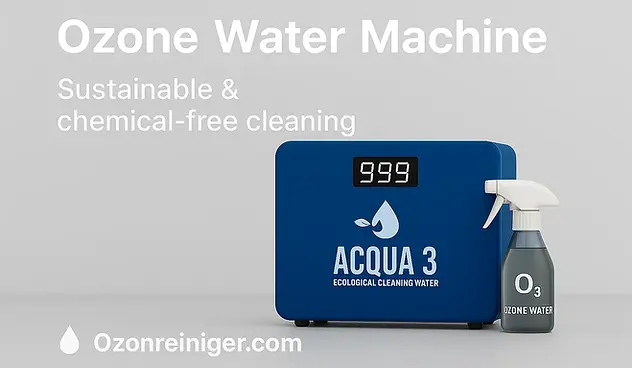
Equipment overview: Ozone water machine.
Related articles in this series
Start: ozone water in a washing machine · Low-temperature washing · Maintenance and self-clean cycles · Costs and consumption · Workflow implementation
Keep reading
What is ozone water? · Ozone water machine · Guides · All products (shop) · Contact