
Dec 11, 2025
Cleaning restrooms with ozone water
Learn how to clean restrooms and sanitary areas safely and practically with ozone water: from filling points to the two-cloth method on closed surfaces.
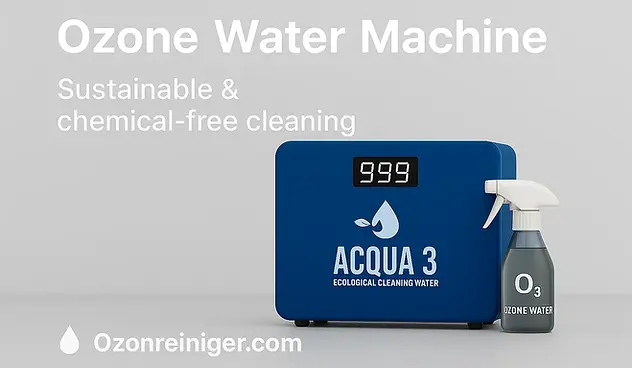
Discover how to use ozone water for daily cleaning in restrooms and sanitary areas, in line with your hygiene protocols and with a clear two-cloth workflow.
Cleaning restrooms and sanitary areas with ozone water
Cleaning restrooms and sanitary areas with ozone water
Restrooms require clear rules: which products are used where, how to keep storage calm and how to explain routines to the team. With an ozone water machine you produce cleaning water on site from tap water. The result is ozone water, water in which ozone is temporarily dissolved. You only use it for daily surface cleaning of closed, wipeable surfaces such as walls, doors, tiles and washbasins – never for drinking or medical applications.
Part of a wider guide series
This guide is part of a wider series on smart, cost-efficient cleaning with ozone water. The guide affordable cleaning solution with ozone water explains how the base product works and what it costs per litre. Cleaning on a budget with ozone water focuses on organisation and stock. The guide why clean with ozone water covers the reasons behind ozone water. The main guide cleaning with ozone water ties everything together; this article zooms in on restrooms and sanitary areas. You can also refer to the practical how-to cleaning with ozone water for step-by-step instructions.
Which restroom surfaces are suitable for ozone water?
Ozone water is designed for closed, wipeable surfaces. In restrooms and sanitary areas this typically includes:
- Doors, door handles and light switches.
- Wall and floor tiles.
- Washbasins, shelves and mirrors (always test mirrors for streaking first).
- Touch points such as taps, flush buttons and dispensers.
For components that fall under a specific hygiene or disinfection protocol, such as toilet bowls, urinals or drains, you always follow your own organisational rules and applicable regulations. Ozone water is a tool for daily surface cleaning, not a disinfectant.
Cleaning with the two-cloth method
As in other areas, you use a consistent workflow in restrooms. The two-cloth method gives staff a recognisable routine that is easy to train.
- Spray a light mist of ozone water onto the cloth or directly onto the closed surface.
- Clean in overlapping passes with cloth A and remove visible soil.
- Immediately dry with cloth B for a streak-free finish.
You can find the full routine in the dedicated two-cloth method guide, which works well as training material for new team members.
Positioning filling points near restrooms
Ozone water works best when filling points are conveniently located close to sanitary areas, for example in a cleaning cupboard in the corridor or in a central technical room.
- Set up a fixed filling point for spray bottles and buckets with ozone water.
- Plan cleaning routes along this point so staff can refill easily.
- Provide clear instructions at the filling point on use and safety.
Aligning with hygiene protocols
Every organisation has its own hygiene protocols. In many cases you can use ozone water for daily surface cleaning while following your existing protocol for specific tasks or high-risk areas.
- Use ozone water for daily cleaning of closed, wipeable surfaces.
- Follow internal guidelines and approved products for disinfection tasks.
- Document which steps are done with ozone water and which follow a separate protocol.
Cost and affordability in sanitary areas
Restrooms are often cleaned several times a day, so the effect of a low litre price quickly adds up. With ozone water you have one base product for many surfaces.
- Low cost per litre of cleaning water from the ozone water machine.
- Fewer different bottles and fewer leftovers in storage.
- Clearer insight into usage per floor, location or restroom group.
Customer stories & testimonials
- 'In our restrooms we use ozone water for all closed surfaces. Only a few tasks still require a special product.' – Facilities
- 'Staff quickly get used to the routine because we follow the same two-cloth method everywhere.' – Cleaning team lead
- 'Storage near the restrooms looks calmer and we order fewer different products.' – Purchasing
💬 Would you like to explore how ozone water could work in your restrooms and sanitary areas? Browse the products or contact us for tailored advice.
Further reading
Cleaning with ozone water (guide)
Cleaning with ozone water: practical how-to
Affordable cleaning solution with ozone water
Cleaning on a budget with ozone water
What is ozone water?
All guides