
7 feb 2026
Ozone water in a washing machine: costs and consumption
This guide is part of the “Ozone water in a washing machine” series and focuses on one topic: costs and consumption—without claims about hygiene outcomes, disinfection, smell, stains, textile performance or medical effects. Instead of asking “what do you notice”, we ask “what do you measure”: which programs you run most, how many water exchanges and rinse steps they include, which options you use (eco/extra rinse/extra water), and which maintenance actions keep the workflow stable. Costs only make sense when the routine is consistent. That is why you start with a baseline program, keep load and options stable, and log duration and (if available) water use. Then change one variable at a time so you can explain why consumption shifts. If ozone water is part of your workflow, link it to one defined fill phase where the machine takes fresh water. We use claim-safe cost language: directional figures are mentioned as context, but results depend on setup, frequency, programs, energy, and maintenance. You get a simple per-load and per-week model, practical control points to prevent drift, and tips for aligning a household or team on one repeatable routine.
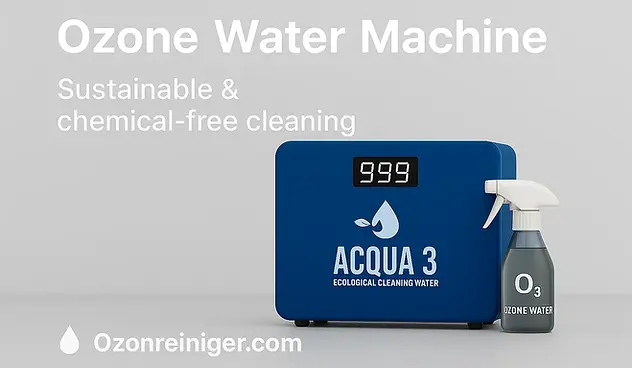
An objective, claim-safe guide to costs and consumption when using ozone water around laundry workflows: baseline logging, control points and a simple cost model.
Costs & consumption: how to keep an ozone-water laundry workflow measurable
Costs and consumption: start with measurement, not assumptions
This page is process-focused and claim-safe. We do not make statements about disinfection, hygiene outcomes, smell, stains or textile performance. We focus on costs and consumption as part of a repeatable laundry workflow: what to log, what to compare, and how to prevent “drift” from distorting conclusions.
For fundamentals, read What is ozone water?. For a process-first reference, use the Two-cloth method.
Step 1: choose one baseline program
Comparisons require stability. Pick one program you run often (for example cotton or eco) and keep load and options consistent for a short period. Log: program name/icon, temperature, total duration, and which options were enabled.
Step 2: log control points (duration, refills, options)
Even if you don’t have exact liters, you can compare workflows. Track: (1) total duration, (2) extra rinse steps, (3) refill moments, and (4) options like eco/extra rinse/extra water. These factors influence consumption and timing more than “30°C” alone.
Step 3: link ozone water to one defined fill phase
If ozone water is part of your workflow, connect it to one specific phase where the machine takes fresh water. Keep changes controlled: one variable per period.
A simple model (per load and per week)
- Per load: duration + options + deviations (extra refill, error code).
- Per week: number of runs + baseline vs variants + maintenance action (filter/drum care).
Costs: directional figures and total process cost
Ozone water can be generated locally. A commonly cited directional figure is about €0.0017 per liter (depending on setup and usage). Treat it as one component of total process cost: water, energy, time, maintenance and any aids. Without a stable baseline, cost comparisons are unreliable.
✔️ Directional figures only help with a fixed baseline
✔️ Extra rinses and eco modes change timing and consumption
✔️ Logging prevents “guess-based optimization”
Maintenance belongs in your cost comparison
Maintenance stabilizes measurements. Clean the lint filter weekly, run a manufacturer-recommended care cycle monthly, and inspect hoses/connections quarterly. With frequent eco/30°C use, periodic hotter care runs (per manufacturer guidance) can keep the machine predictable. This is normal appliance care.
What users like about a measurement-first approach
💬 “Once we fixed a baseline, comparisons finally made sense.”
💬 “A simple weekly log was enough—especially tracking extra rinse on/off.”
💬 “Including maintenance prevented drift from skewing the data.”
Related articles in this series
Start: ozone water in a washing machine · Programs and settings · Low-temperature washing · Maintenance and self-clean cycles · Workflow implementation
Keep reading
What is ozone water? · Ozone water machine · Guides · All products (shop) · Contact